Worldview construction publications
A Search Result Is Not Yet Knowledge
On a Sunday evening, a parent types a deceptively simple question into a search box: “How much screen time is harmful for a nine-year-old?” Within seconds, the browser offers a child psychologist’s interview, two news stories pointing in opposite directions, a parenting forum, a...

Building Worlds from Consequences
Imagine a city in which every adult carries a public reliability score. The system compresses loan repayments, traffic offences, workplace reviews and civic reports into a single number. The story opens with someone waking to discover that their score has fallen by twenty-seven p...
Literature as a Laboratory of Consequences
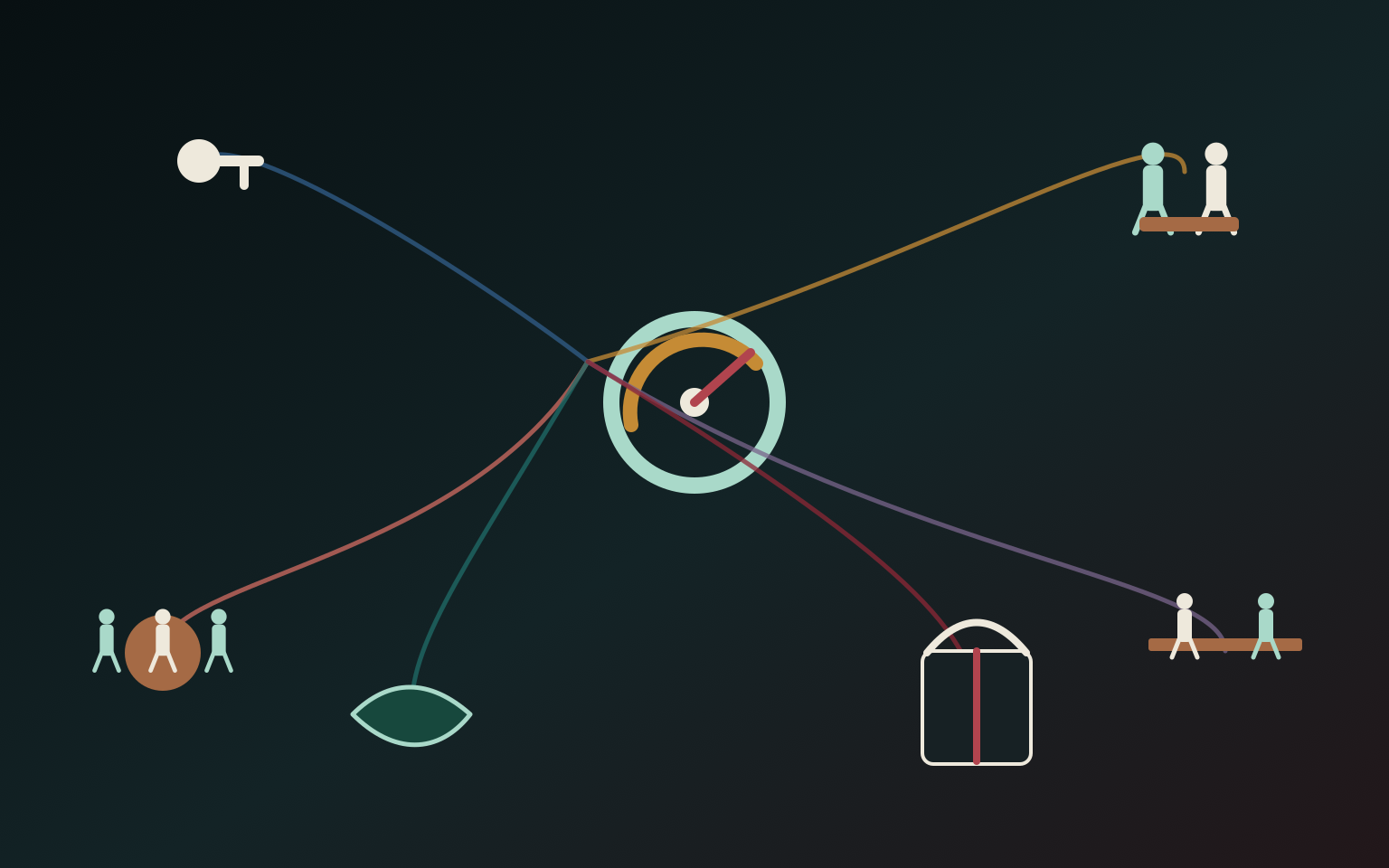
Hamlet has reason to doubt. Faust has reason to be dissatisfied. Adam has reason to keep asking whether human history has a direction that will not be consumed by its own consequences. None of this establishes that they act well. One of literature's strengths is precisely that it...
A Game Does Not Teach Only When It Tests You
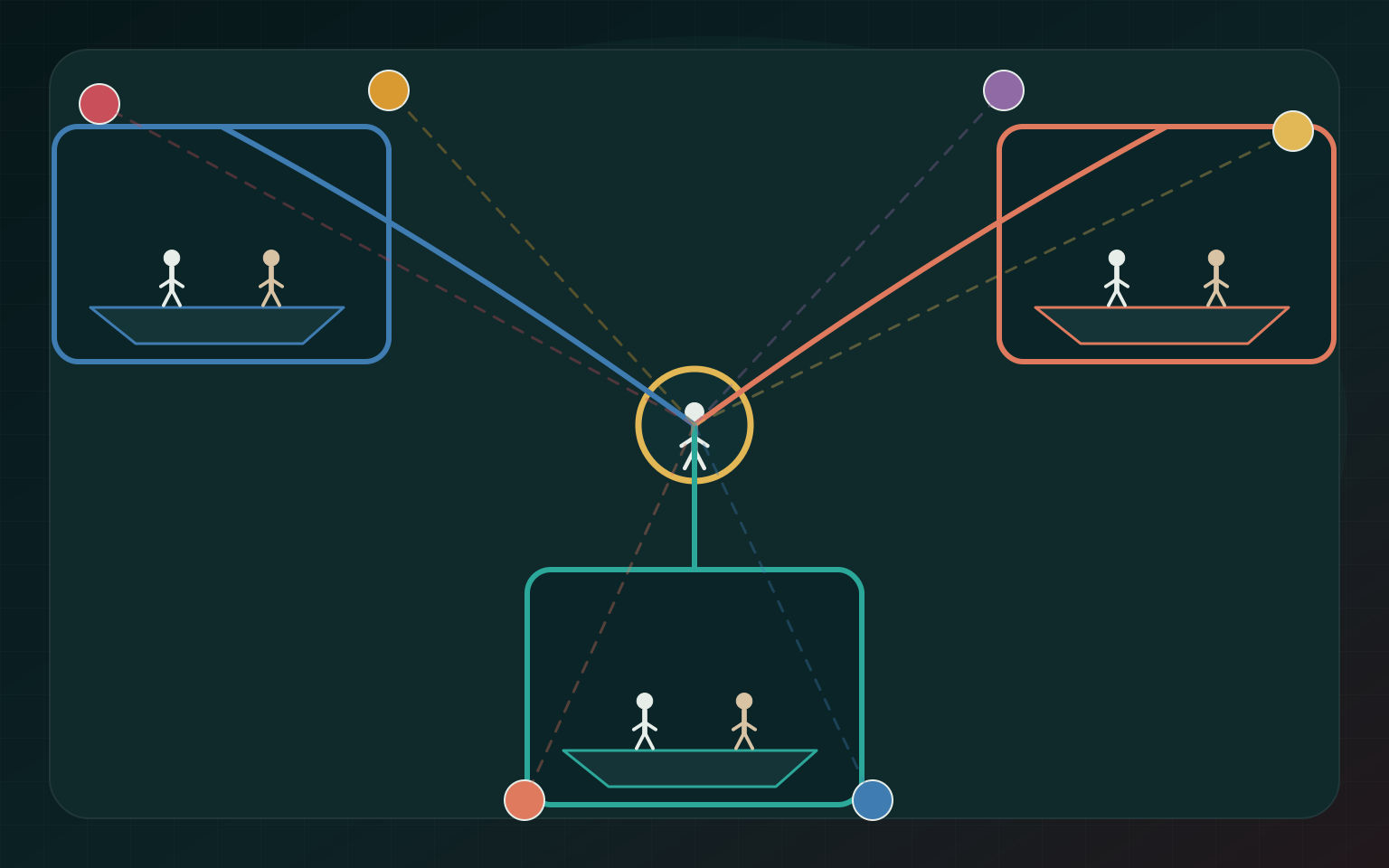
As a personal account rather than externally verifiable project history: in 2007 I used SQL to turn Greek myths into quests on a private World of Warcraft server. The story of Amphion became a chain of thirteen missions. The player did not click through a digital textbook. They t...
Gods Are Not Laboratory Notebooks
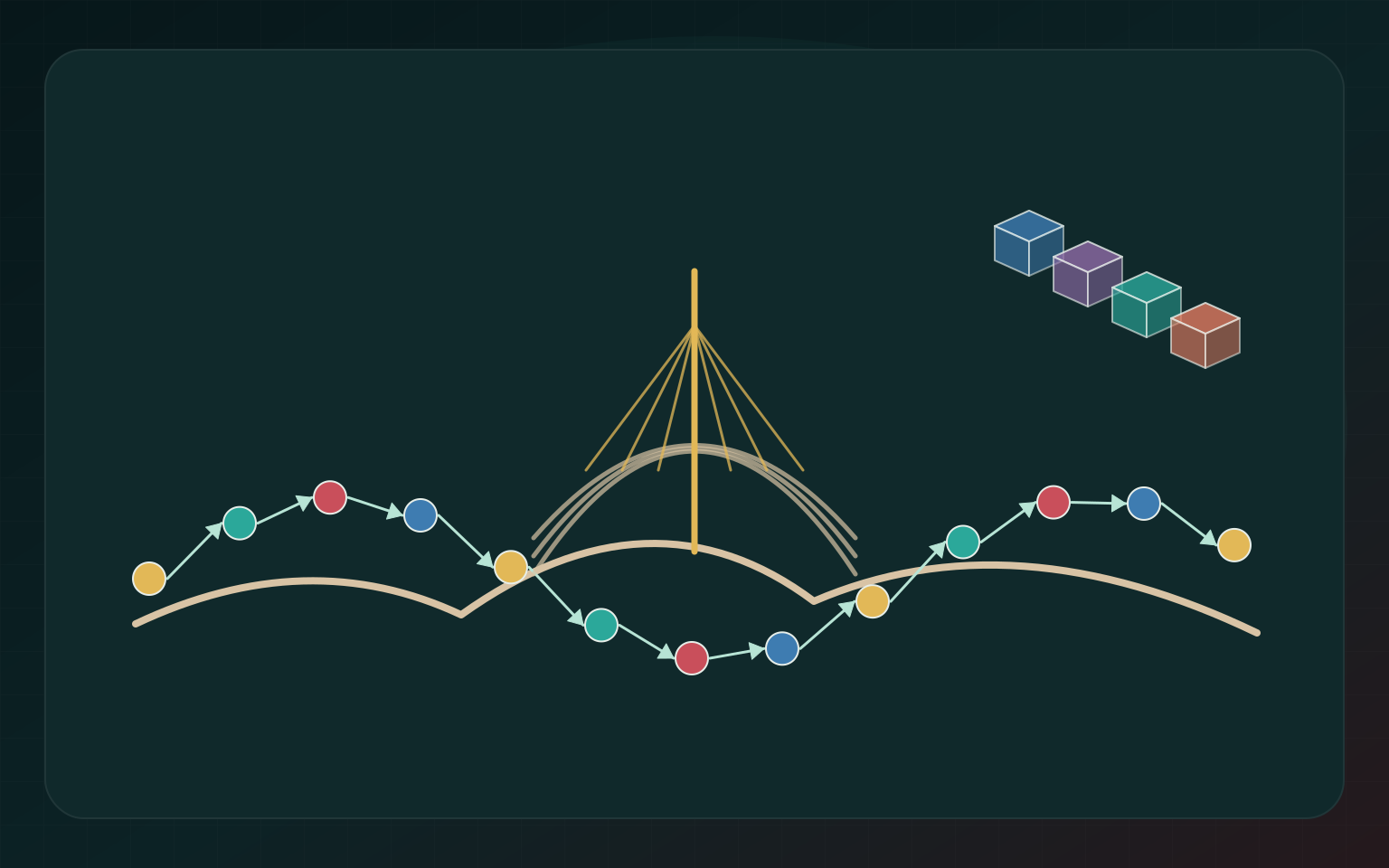
Apollo holds an awkward number of functions together. He is bright and distant. He gives oracles, orders music, heals, and at the beginning of the Iliad sends plague into the Achaean camp with his arrows. The epithet “Phoebus” means bright or radiant, while Delphic Apollo became...
From Humanity Drama to Space Sitcom
Some works do not merely tell a story. They attempt to place the whole human undertaking on a stage at once. Dante leads the reader through an afterlife organised as moral architecture. Goethe's Faust wants knowledge, experience, power and self-justification without knowing in ad...